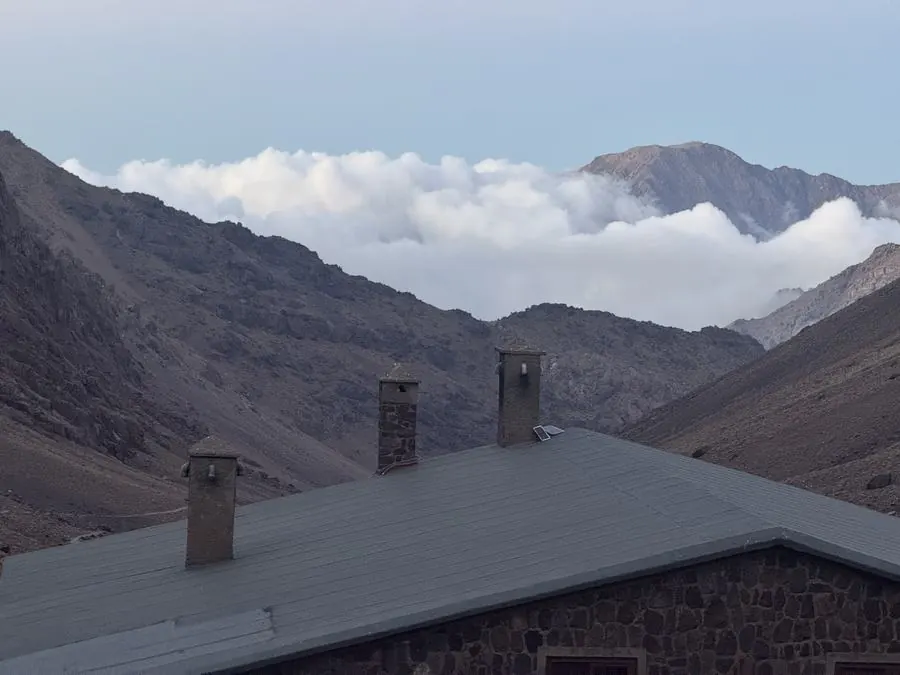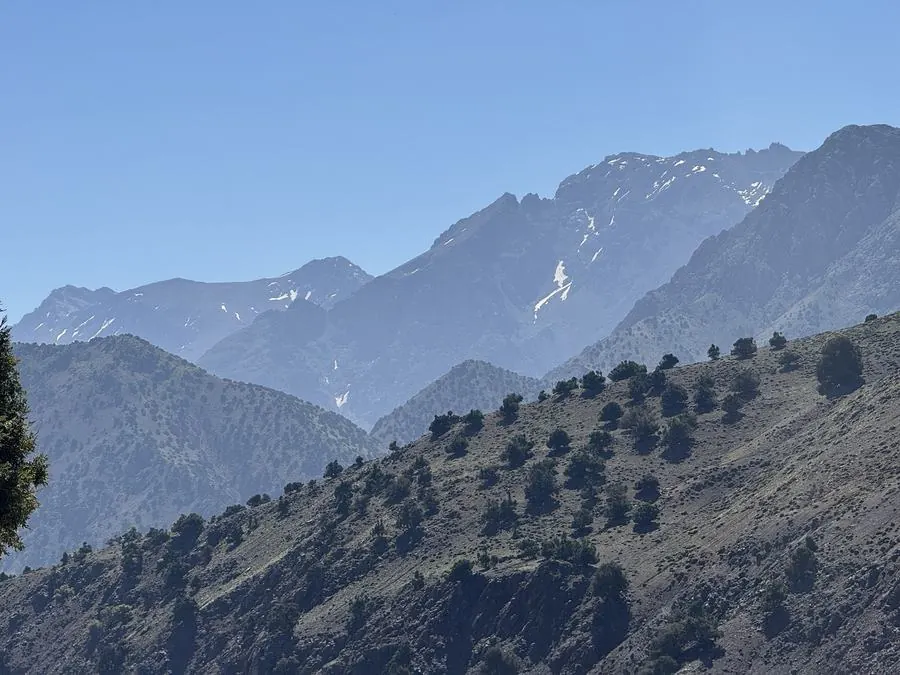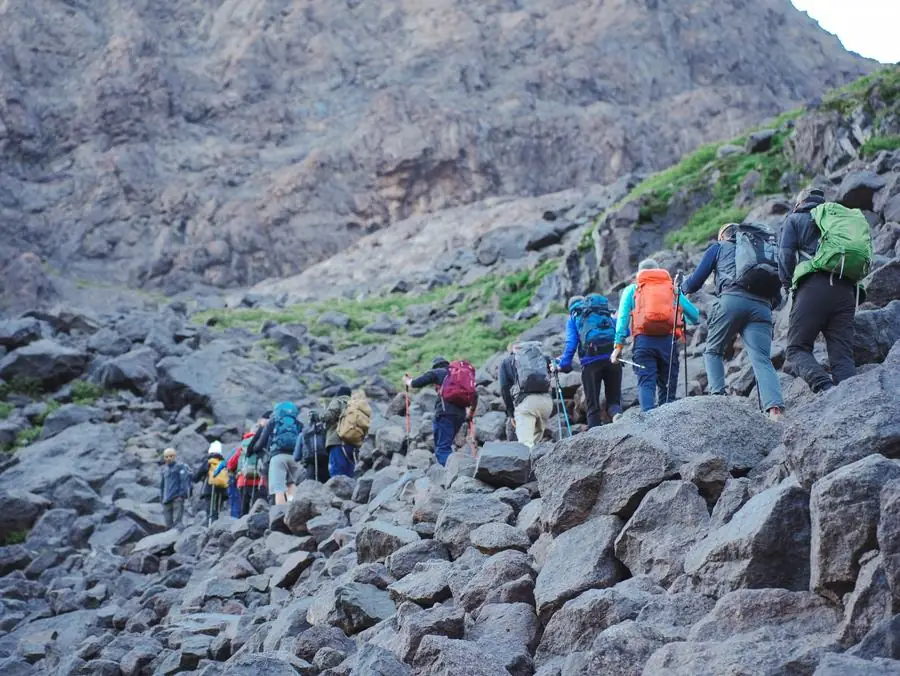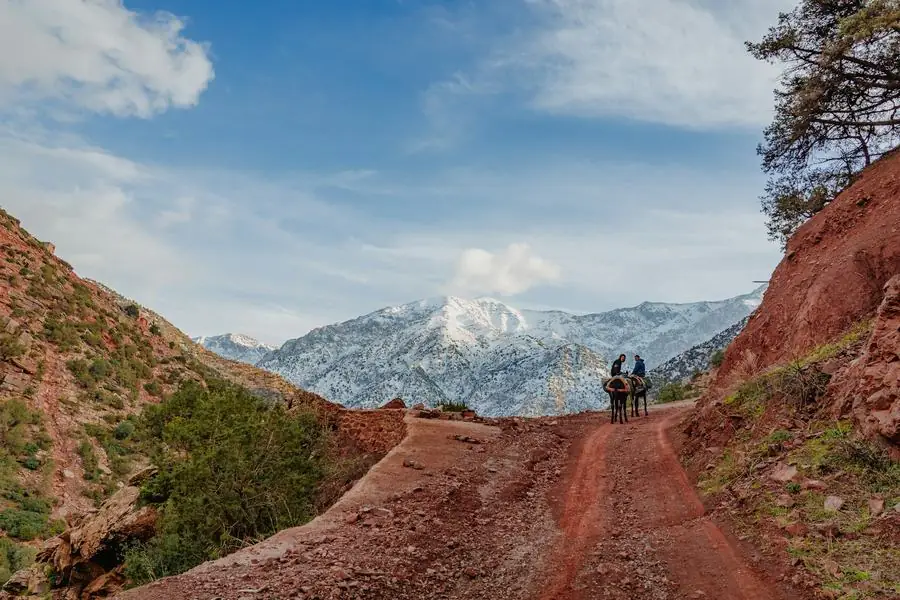
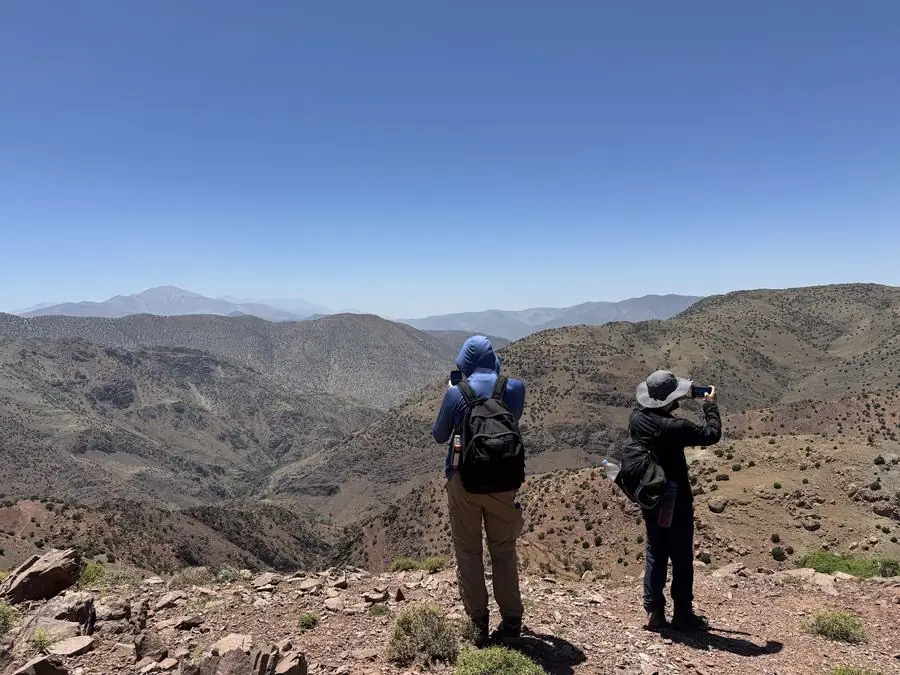
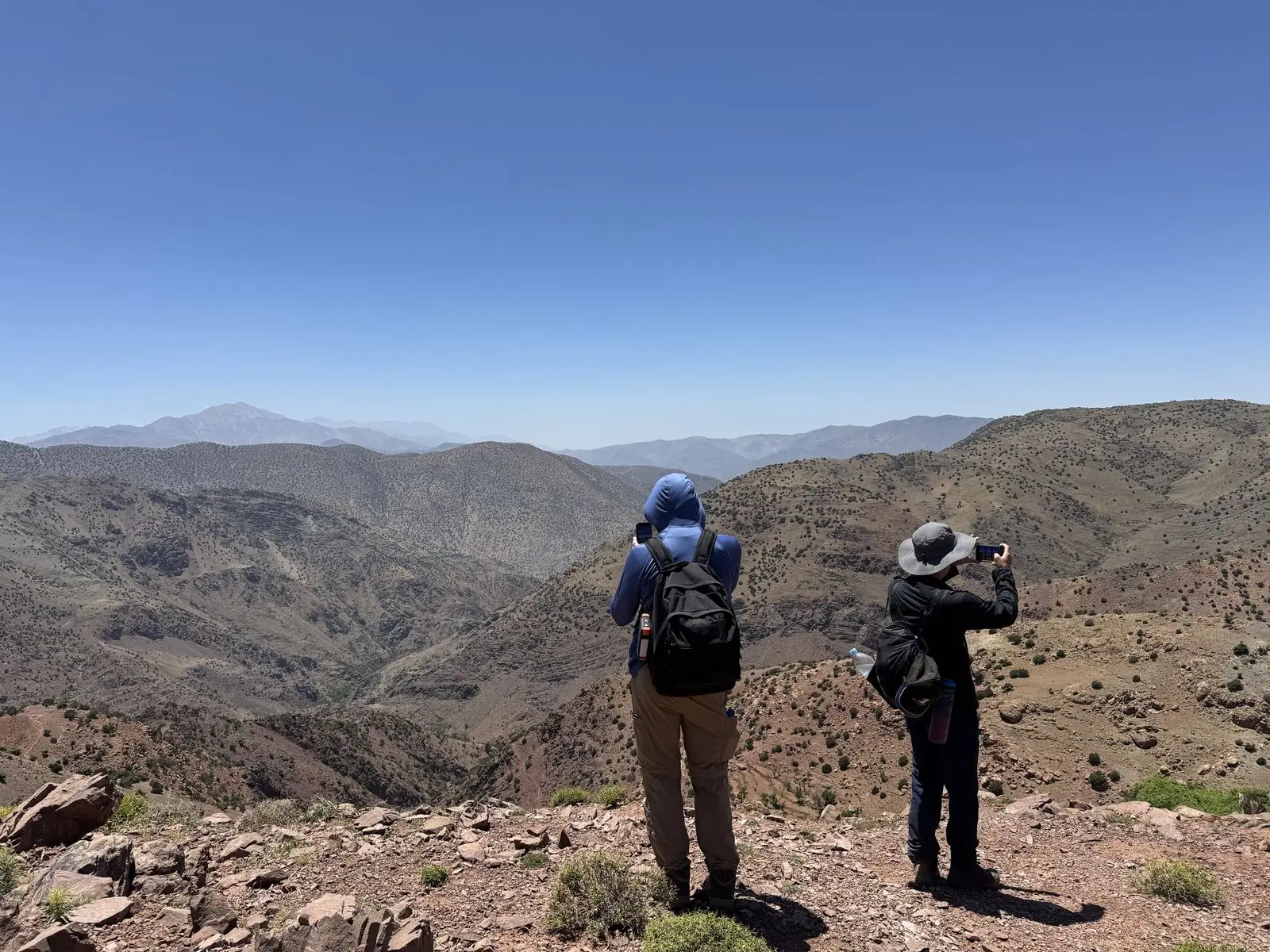
Morocco is one of the best hiking destinations in the world that most people never think of. Within two hours of Marrakech rise the High Atlas Mountains, with peaks over 4,000 metres, valleys of walnut trees and terraced fields, and Berber villages where mule paths are still the main roads. This guide, written by our local mountain guides, covers everything you need to plan a hiking or trekking trip in Morocco: where to go, when, how hard it is, what it costs and how to do it safely.
Why hike in Morocco?
Few places combine high mountains, living culture and easy access the way Morocco does. You can land in Marrakech in the morning and be walking on a mule path above Imlil by lunchtime. The trails are not empty wilderness: they connect villages where Amazigh (Berber) families farm the same terraces their grandparents did, and every trek includes mint tea in someone's home.
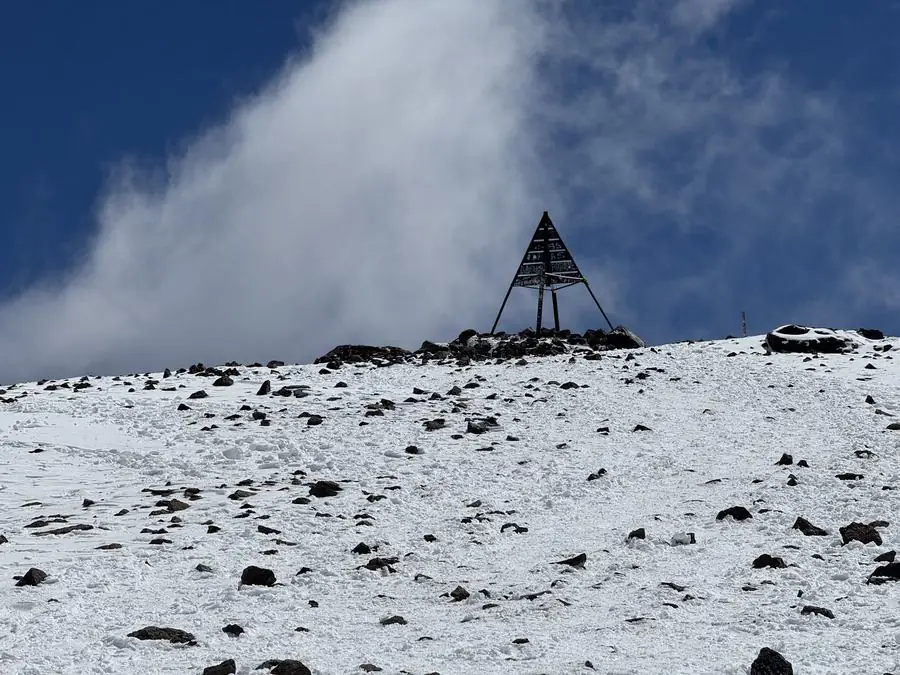
- Big mountains, close to a big city. Mount Toubkal (4,167 m), the highest peak in North Africa, is around 65 km from Marrakech.
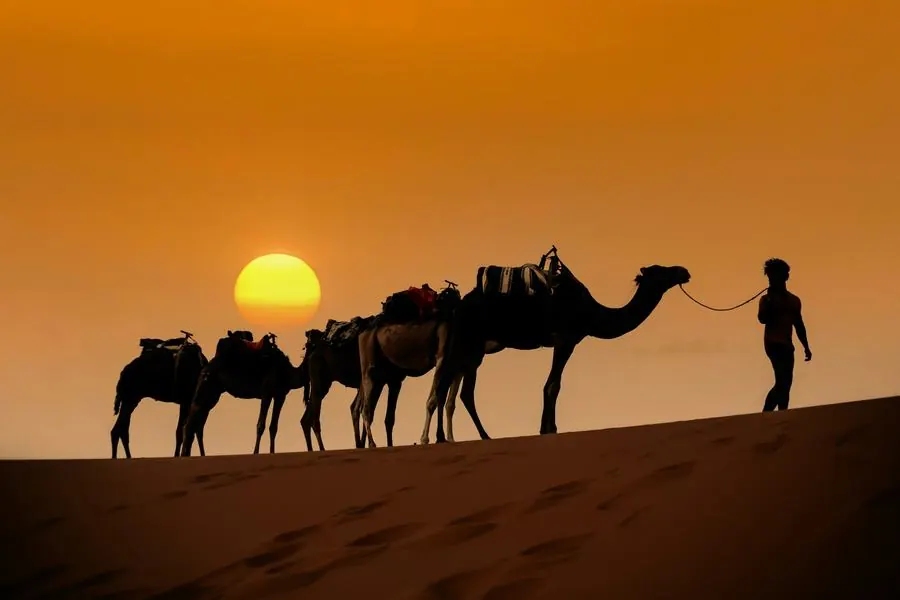
- Variety. Snowy summits, green valleys, volcanic desert ranges, cedar forests, gorges and Sahara dunes, all in one country.
- Culture on the trail. Village guesthouses, weekly souks, home cooking and music evenings are part of the walk.
- Good value. A fully guided trek with mules, meals and accommodation costs less than a self-guided trip in the Alps.
The best hiking regions in Morocco
High Atlas: Toubkal National Park and Imlil
The heart of Moroccan trekking. Toubkal National Park, created in 1942, was the country's first national park. Imlil (1,740 m) is the trailhead village for Mount Toubkal and for dozens of village treks into the Imlil, Imnane and Azzaden valleys. If this is your first hiking trip in Morocco, start here. See our Toubkal treks and Imlil Valley 3-Day Experience.
Central High Atlas: M'Goun and the Happy Valley
Further east, the M'Goun massif rises to 4,071 m and feels far more remote than Toubkal: high plateaus, shepherds' huts and red-walled gorges. Its gateway is the green Aït Bouguemez valley, nicknamed the Happy Valley, with gentle walking ideal for families. See the M'Goun traverse and Happy Valley trek.
Jbel Saghro: winter trekking
Between the High Atlas and the Sahara, Jbel Saghro is a volcanic range of rock towers, dry valleys and nomad camps. When snow closes the high passes from November to March, Saghro has sunny days and comfortable temperatures. See the Jbel Saghro trek.
Anti-Atlas, Siroua and the Rif
The Anti-Atlas around Tafraoute is famous for pink granite and almond blossom in February. The extinct Siroua volcano rises above saffron fields near Taliouine. In the north, the Rif mountains around Chefchaouen offer green forests, gorges and the natural arch of God's Bridge at Akchour. See our multi-day treks.
Middle Atlas
Cedar forests, crater lakes and Barbary macaques near Ifrane and Azrou make the Middle Atlas a cool, green escape, easily combined with Fes.
The best treks in Morocco, by length
| Time you have | Our pick | Level | From |
|---|---|---|---|
| 1 day | Imlil & Toubkal National Park day hike | Easy–moderate | €180 |
| 1 day | Ourika Valley & Setti Fatma waterfalls | Easy | €160 |
| 2 days | Mount Toubkal 2-day ascent | Challenging | €345 |
| 3 days | Toubkal 3-day trek with acclimatisation | Challenging | €520 |
| 3 days | Berber villages trek | Moderate | €450 |
| 6 days | Toubkal Circuit | Challenging | €1,040 |
| 6 days | M'Goun Massif traverse | Challenging | €1,085 |
| 7 days | Atlas & Sahara Adventure | Moderate | €1,445 |
Prices are per person; see each trip for dates and what is included. Not sure which to choose? Try the trip finder on our homepage or read our ranking of the 7 best treks in the Atlas Mountains.
When to go hiking in Morocco: month by month
- March–May (spring): the best season for most of Morocco. Green valleys, blossom, full waterfalls and snow on the high peaks until April or May.
- June–August (summer): hot in Marrakech and the low valleys, but pleasant above 2,000 m. The best time for long high-altitude treks such as the Toubkal Circuit and M'Goun.
- September–November (autumn): stable weather, clear skies and golden walnut trees. Our favourite time for village treks and Toubkal.
- December–February (winter): snow on the High Atlas. Toubkal becomes a winter climb with crampons and ice axe; lower village walks still run, and Jbel Saghro and the desert are at their best.
Read more in our guide to the best time to hike the Atlas Mountains.
How hard is hiking in the Atlas Mountains?
It depends entirely on the trek. Day hikes around Imlil and the Ourika valley are suitable for anyone who walks regularly. Village treks involve 4–6 hours of walking a day on good mule paths with some climbs. Mount Toubkal is not technical from April to November, but it is a steep, long hike at altitude: summit day usually takes 8–10 hours. The altitude is the main challenge, which is why we recommend an extra night to acclimatise.
Each trip on our website is graded Easy, Moderate, Challenging or Strenuous, with a "Good to know" box describing the fitness needed.
Do you need a guide to hike in Morocco?
For Toubkal National Park, yes: since 2019 foreign trekkers must be accompanied by a licensed mountain guide, and passports are checked at checkpoints on the way to the refuge. Elsewhere it is not always compulsory, but a local guide makes a huge difference: route-finding on unmarked paths, organising mules and village accommodation, translating Tashelhit, and knowing when the weather is turning. Your money also stays in the mountain communities. Read why we recommend a local guide.
Where you sleep on a trek
- Riads and guesthouses in Imlil: our guests stay at Riad Atlas Imlil, in the heart of the village.
- Village gîtes: simple family guesthouses with mattresses, blankets, hot meals and often a hot shower.
- Mountain refuges: the CAF Toubkal Refuge sits at 3,207 m with dormitories and a dining room; the Tamsoult refuge serves the Azzaden valley.
- Camps: on remote treks our team sets up tents, a dining tent and a kitchen, carried by mules.
How much does a trek in Morocco cost?
With a licensed guide, transport from Marrakech, meals and accommodation, expect roughly: from €145 per person for a guided day trip, from about €345 for a two-day Toubkal climb, and from around €1,000 for a six-day trek. Prices per person fall as your group grows. Private trips cost a little more than shared open departures. Always check what is included: transfers, mules, the cook, refuge fees and meals make a big difference to the real price.
What to pack for hiking in Morocco
- Broken-in hiking boots (and light shoes for evenings)
- Layers: T-shirts, a fleece, a warm down or synthetic jacket, a waterproof shell
- Hat, gloves and a buff — nights are cold at altitude, even in summer
- Sun hat, sunglasses and high-factor sunscreen
- Daypack (25–35 L) and 2 litres of water capacity
- Head torch, personal first-aid kit, blister plasters
- Sleeping bag for refuges and camps (can be hired)
- Modest clothing for villages: shoulders and knees covered
Mules carry your main bag on multi-day treks, so you only carry a daypack.
Safety and health
Morocco's mountains are a safe and welcoming place to hike, especially with a licensed guide. The main risks are natural: altitude, sun, dehydration and sudden weather changes. Walk slowly, drink plenty, and turn back if you feel unwell at altitude. Travel insurance that covers trekking (and mountaineering for winter Toubkal) is essential. Drink bottled or filtered water, and wash your hands before meals.
Hiking in Morocco: frequently asked questions
Is Morocco good for hiking?
What is the most famous hike in Morocco?
Do I need a guide to climb Toubkal?
When is the best time to hike in the Atlas Mountains?
Can beginners hike in Morocco?
How do I get to the Atlas Mountains from Marrakech?
Written by the Atlas Mountain Trips team of licensed local guides, based in Imlil and Marrakech. First published 18 April 2023 · last updated 25 November 2026.
All our hiking, trekking and day-trip guides
Everything our guides have written about walking in Morocco's mountains, grouped by topic.
Climbing Mount Toubkal
- How to Climb Mount Toubkal: The Complete Guide
- Toubkal in 2 Days or 3 Days? How to Choose Your Trek
- How Much Does It Cost to Climb Mount Toubkal? (2026)
- The Toubkal Refuge: What to Expect at 3,207 m
- Altitude Sickness on Toubkal: Prevention and Symptoms
- Toubkal National Park: Rules, Permits and Guides
- The Toubkal Circuit: The Finest Trek in the High Atlas
- M'Goun vs Toubkal: Which Atlas Summit Is Right for You?
- Renting Trekking Gear in Imlil: Boots, Crampons, Sleeping Bags
- How Fit Do You Need to Be to Trek in Morocco?
- Winter Trekking in Morocco: Snow, Sun and Desert Mountains
Imlil and Toubkal National Park
- Imlil: A Guide to the Gateway of Toubkal
- 10 Best Things to Do in Imlil, Morocco
- Riad Atlas Imlil: Where We Stay in the Heart of the High Atlas
- How to Get from Marrakech to Imlil: Taxi, Bus or Transfer
- Imlil Day Trip from Marrakech: The Complete Guide
- Trekking Partners in Imlil: Working with Atlas Trek Guide
- Renting Trekking Gear in Imlil: Boots, Crampons, Sleeping Bags
- The 8 Most Beautiful Berber Villages in the High Atlas
Day trips and day hikes from Marrakech
- The 10 Best Mountain Day Trips from Marrakech
- The 8 Best Day Hikes Near Marrakech, Ranked by Our Guides
- Imlil Day Trip from Marrakech: The Complete Guide
- Ourika Valley: Waterfalls, Cooperatives and Riverside Lunches
- Ouzoud Waterfalls: Complete Visitor Guide
- Agafay Desert Day Trip from Marrakech: Is It Worth It?
- Aït Ben Haddou Day Trip from Marrakech via Tizi n'Tichka
- Oukaïmeden Day Trip: Skiing, Hiking and Rock Engravings
- The 7 Best Waterfall Hikes in Morocco
Treks and regions
- The 7 Best Treks in Morocco's Atlas Mountains, Ranked by Our Guides
- The Toubkal Circuit: The Finest Trek in the High Atlas
- M'Goun vs Toubkal: Which Atlas Summit Is Right for You?
- Jbel Saghro: Trekking Morocco's Desert Mountains
- Aït Bouguemez: Discovering Morocco's Happy Valley
- One Week in Morocco: 3 Hiking Itineraries from Marrakech
- Your First Multi-Day Trek: 12 Tips from Our Guides
- Hiking in the Rif Mountains around Chefchaouen
- Tafraoute and the Anti-Atlas: Pink Granite and Almond Blossom
- The Middle Atlas: Cedar Forests, Macaques and Crater Lakes
- Morocco's Atlas Mountains Explained: High, Middle & Anti-Atlas
Planning your trip
- The Best Time to Hike in the Atlas Mountains
- What to Pack for a Trek in the Atlas Mountains
- How Fit Do You Need to Be to Trek in Morocco?
- Is It Safe to Hike in Morocco?
- How to Choose a Trekking Company in Morocco: 9 Questions
- How Much Does It Cost to Climb Mount Toubkal? (2026)
- Tipping on a Morocco Trek: Guides, Cooks and Muleteers
- Solo Trekking in the Atlas: Join a Group or Go Private?
- Hiking in Morocco with Children
- One Week in Morocco: 3 Hiking Itineraries from Marrakech
- Why Book with a Local Moroccan Mountain Guide
- Hiking the Atlas Mountains in Summer: Where to Go
- Winter Trekking in Morocco: Snow, Sun and Desert Mountains
Berber culture and responsible travel
- Understanding Berber (Amazigh) Culture in the High Atlas
- Berber Phrases for Trekkers: Tashelhit Words for the Atlas
- The Art of Moroccan Mint Tea
- What You'll Eat on a Moroccan Mountain Trek
- The Muleteers of the Atlas: Unsung Heroes of the Trek
- Argan Oil and the Women's Cooperatives of Morocco
- The Valley of Roses and the Kelaat M'Gouna Rose Festival
- The 8 Most Beautiful Berber Villages in the High Atlas
- Responsible Trekking in Morocco: Leave Only Footprints
- Photography Tips for the Atlas Mountains